A Teeth Whitening service is not a single appointment. It is a short sequence of connected stages — assessment, planning, supervised treatment, immediate aftercare and long-term maintenance — and the quality of the final result depends on all five being handled properly rather than on any one of them in isolation.
Most people who are disappointed by whitening are not disappointed by the chemistry. The chemistry is well understood and, when applied correctly, behaves predictably. Disappointment usually comes from a stage being skipped: an assessment that missed a restoration on a front tooth, a plan that was never explained, aftercare that was described in one sentence at the door, or a maintenance routine that nobody ever set out. This page describes each stage of a properly delivered Teeth Whitening service in the order you would actually experience it, so you can recognise good practice when you meet it and ask better questions when something is missing.
Everything below is general information about how Teeth Whitening services are structured and delivered. It is not a diagnosis and it is not a treatment plan for your teeth specifically. Only a registered dental professional who has examined your mouth can tell you which parts of this apply to you. People looking for professionally delivered whitening in the area can also explore Ultimawhite Shrewsbury for further information about available teeth whitening services.
Stage One: Consultation and Clinical Assessment
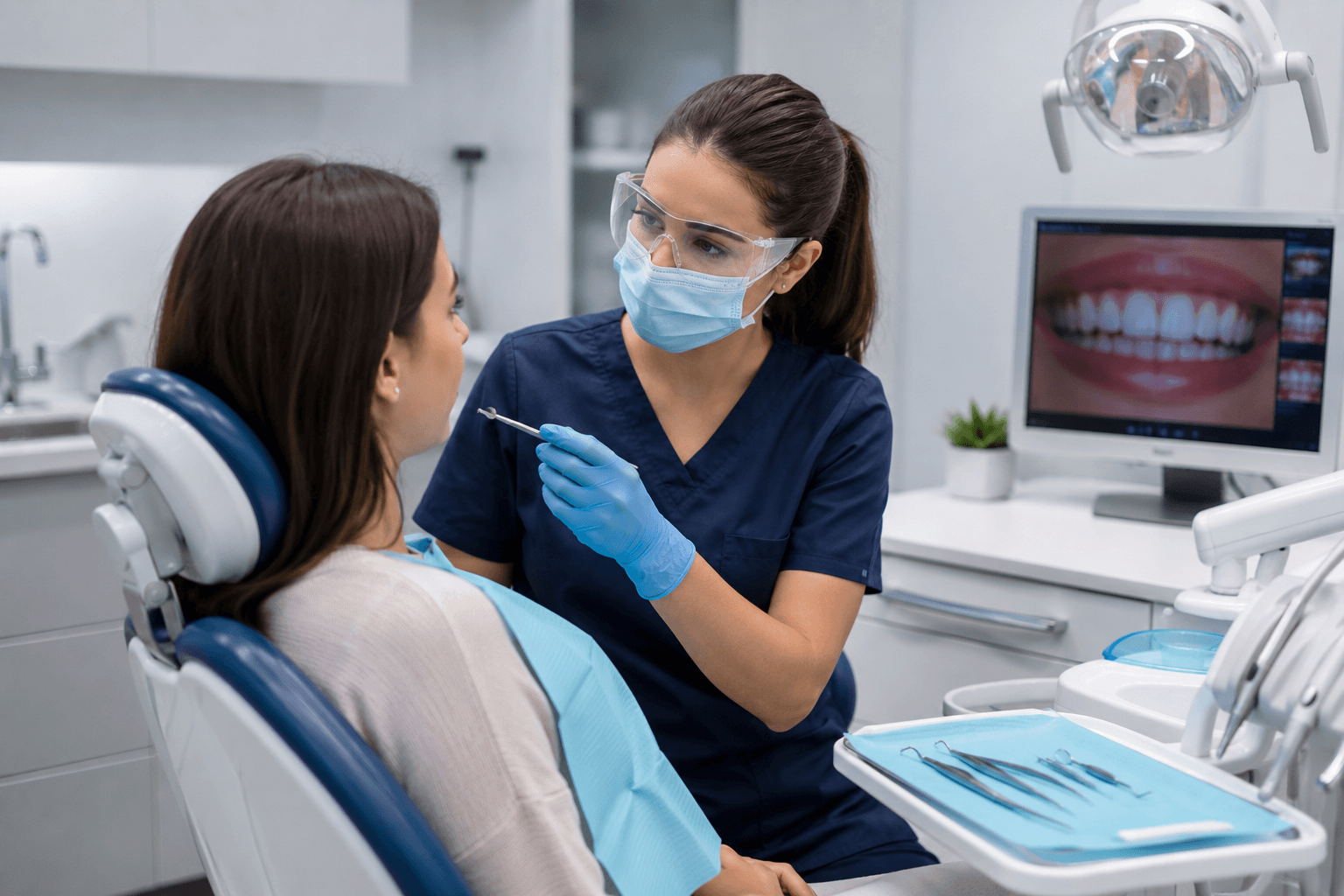
The consultation is the stage that decides whether everything after it will work. It exists to answer four questions: is your mouth healthy enough for Teeth Whitening right now, what is actually causing the discolouration you want to change, which method suits your teeth and your life, and what result can honestly be expected. A consultation that answers all four takes time. One that takes two minutes and ends with a booking has not answered them.
The Oral Health Check
Before any whitening agent is discussed, the condition of your teeth and gums is examined. Untreated decay, cracked or leaking fillings, exposed root surfaces, gum inflammation and areas of enamel erosion all change the picture. Whitening gel applied over an area of active decay or through a leaking margin can reach the inner tooth and cause real discomfort, and gum tissue that is already inflamed reacts more strongly to contact with the gel. None of this makes Teeth Whitening impossible. It simply means the sequence matters: treat first, whiten afterwards. A provider who tells you to have a check-up before proceeding is not delaying your treatment for the sake of it; they are protecting the outcome you came for.
Identifying the Type of Discolouration
Not all discolouration behaves the same way, and the assessment separates the causes because they predict how your teeth will respond. Extrinsic staining sits on and just inside the outer surface of the enamel and comes from pigments in tea, coffee, red wine, dark fizzy drinks, richly coloured sauces and tobacco. It is the most responsive kind. Intrinsic discolouration sits deeper, within the body of the tooth, and comes from causes such as trauma to a specific tooth, certain antibiotics taken while teeth were still forming, or fluorosis. It can improve, but it improves more slowly, less predictably, and sometimes unevenly. Age-related darkening is a third pattern: enamel thins over decades while the dentine beneath it naturally darkens, so the whole smile drifts warmer. It usually responds well but tends to need periodic maintenance to hold.
Many people have a combination of all three. Recognising the mix is what allows a realistic prediction rather than a hopeful one, and it is the difference between being told “your teeth will go several shades lighter” and being told “the general shade will lift well, but the upper left tooth that was knocked as a child will lag behind and may always read slightly darker.” The second answer is less exciting and far more useful.
Mapping Existing Restorations
Crowns, veneers, composite bonding, porcelain and large white fillings do not change colour in response to whitening agents. They stay exactly the shade they were made. If any of them sit on teeth that show when you smile, the assessment must record their position, because as the natural teeth around them lighten, those restorations will stand out more than they do now. This is one of the most common causes of post-treatment disappointment and it is entirely avoidable through a two-minute conversation beforehand. The usual options are to whiten first and then replace or re-polish the visible restorations to match the new shade, to accept a degree of mismatch, or to reconsider whether whitening is the right route at all. All three are legitimate; being surprised by the outcome is not.
Sensitivity History and Comfort Planning
You should be asked directly whether your teeth already react to cold drinks, cold air, sweet foods or brushing, and whether previous whitening caused the short, sharp sensations sometimes described as zingers. This history shapes the plan: gel strength, contact time, the number of applications in a session, whether a desensitising agent is used before or after treatment, and how far apart sessions are spaced. Sensitivity is manageable in the large majority of cases when it is anticipated. It is far harder to manage when it is discovered halfway through a session.
Setting Expectations in Writing
A good consultation ends with a clear summary of what will happen, roughly what change is realistic, what it will cost, what aftercare will be required and what the follow-up arrangements are. Having that in writing is not bureaucracy. It is the reference point you both return to afterwards, and it is a strong signal that the provider is comfortable being held to what they have said.
Questions Worth Asking at the Consultation
- What is causing my discolouration? The answer should be specific to your mouth, not a general description of staining.
- Which teeth will respond least well, and why? Every mouth has one. A provider who says “all of them equally” has not looked closely.
- How will my existing fillings and crowns look afterwards? This should be answered tooth by tooth, not in general terms.
- What happens if I get sensitivity during or after the session? There should be a plan, not reassurance.
- What does the follow-up include, and is it already covered? Ask before booking, not afterwards.
Stage Two: Choosing the Right Method
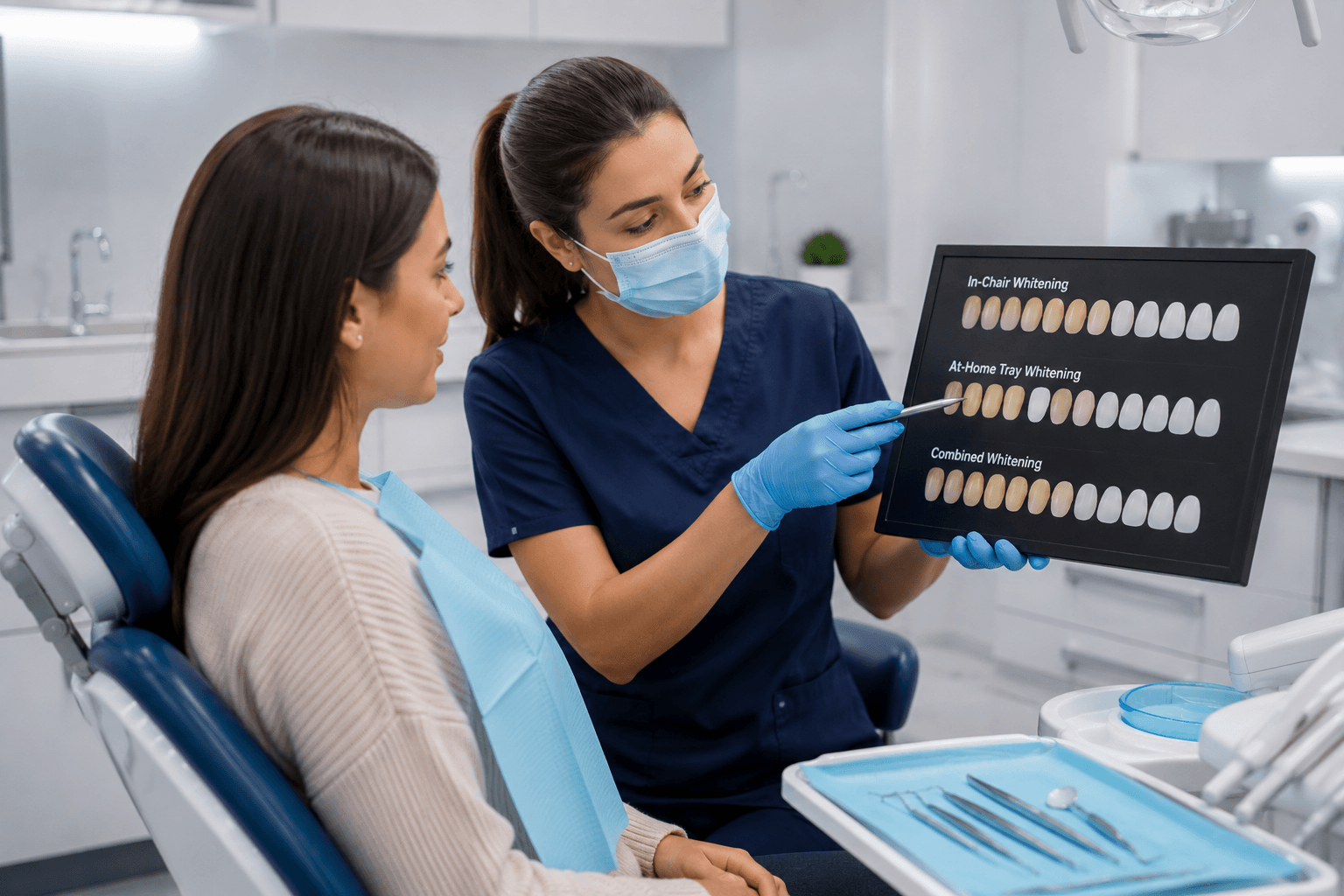
There is no single best Teeth Whitening method, only the method that best fits a particular combination of staining, sensitivity, timescale and lifestyle. The three routes below are the ones most commonly offered under professional supervision, and a well-run service will explain the trade-offs of each rather than presenting only the one it happens to sell.
Supervised In-Clinic Sessions
A stronger gel is applied by a trained operator in a controlled setting, with the lips, cheeks and gums isolated and protected. A session commonly runs for around an hour, often split into several shorter applications with the gel refreshed between them.
Suits: people who want visible change quickly, who would not use home trays reliably, or who have an event approaching.
Trade-off: higher cost per session, and the shade often benefits from being reinforced with supervised home use afterwards.
Supervised Take-Home Trays
Impressions or a digital scan are used to make trays that fit your teeth precisely. A lower-strength gel is dispensed with written instructions on quantity, wear time and duration of the course.
Suits: people with a history of sensitivity, those who prefer gradual change, and anyone wanting an easy way to maintain the shade later.
Trade-off: results build over one to three weeks and depend entirely on consistent use.
Combination Programmes
An in-clinic session establishes the bulk of the shade change, then a short supervised tray course consolidates and evens it out over the following days.
Suits: more stubborn or uneven discolouration, and anyone who wants both speed and durability.
Trade-off: the most involved option in both cost and commitment.
Where Over-the-Counter Products Fit
Whitening toothpastes, rinses, pens and low-strength strips sold without supervision generally work on surface staining rather than on the deeper colour of the tooth. Used as directed they can help keep a mouth looking clean and can slow the return of surface film after professional treatment, which makes them genuinely useful as maintenance. What they are not is a substitute for an assessment. They are applied without anyone having checked for decay, leaking fillings or gum disease, they cannot be adapted to your sensitivity, and generic strips or trays sit unevenly, which is why home-kit results are so often patchy at the gum line and around the edges of teeth. The sensible position is to treat them as supporting products within a plan that a professional has set, and to be cautious of anything sold with dramatic claims and no assessment behind it.
Approaches That Warrant Caution
Abrasive home remedies deserve a specific warning because they circulate widely and sound harmless. Charcoal powders, baking soda used aggressively, and acidic fruit rubs such as lemon juice do not lighten the internal colour of a tooth. They abrade or soften the outer surface. Enamel does not grow back, and thinner enamel lets more of the naturally yellow dentine beneath show through, so the long-run result of repeated abrasive whitening is often teeth that look duller than when the person started, with more sensitivity to show for it. Any method that promises change without either a peroxide-type chemistry or professional supervision is worth questioning closely.
Stage Three: The Treatment Session, Step by Step
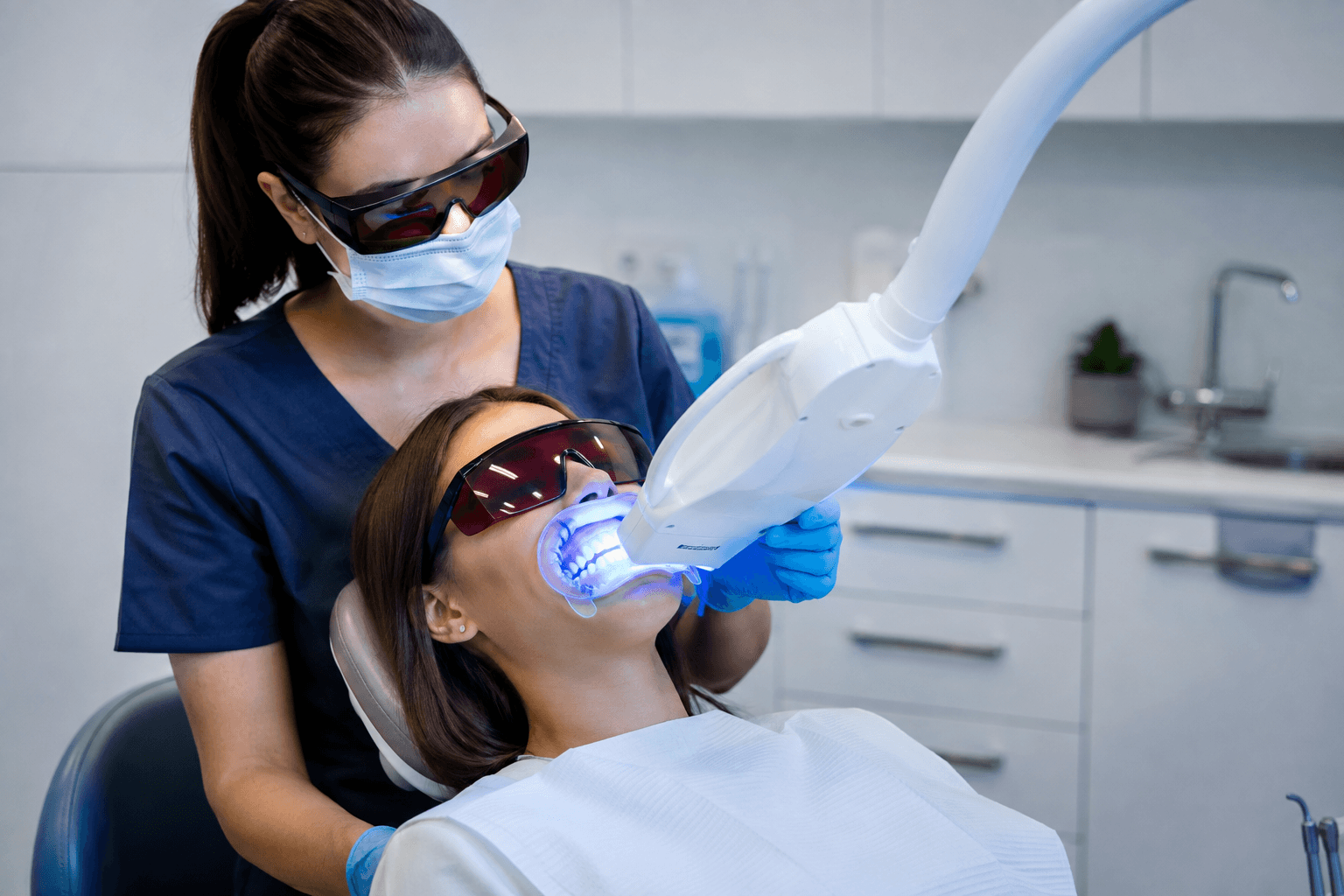
Knowing the sequence in advance removes most of the apprehension people bring to a first appointment. A typical supervised session follows these steps, and while the exact timings vary between providers and systems, the structure rarely does.
Pre-Treatment Review
Your medical and dental history is confirmed, any change since the consultation is noted, and the plan agreed at assessment is repeated back to you. This is the point at which you can still ask anything, and a good operator will invite the question rather than wait for it.
Shade Recording
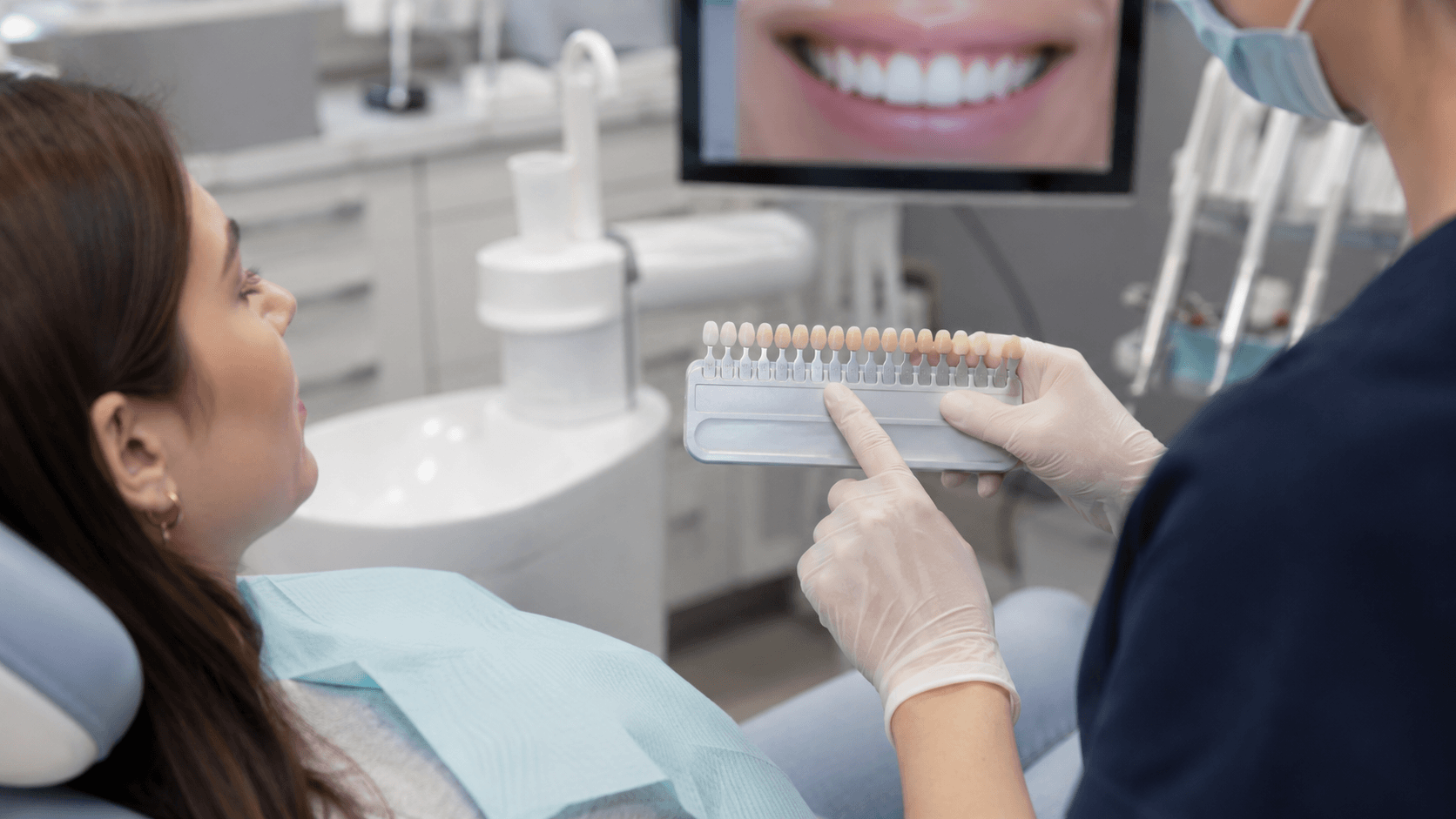
Your starting shade is recorded against a standard shade guide, usually with a photograph in consistent lighting. This matters more than it sounds. Memory is unreliable about colour, and without a recorded baseline neither of you can say afterwards how much actually changed. Insist on it.
Cleaning and Preparation
Teeth are cleaned so the gel meets the tooth surface rather than a layer of plaque and surface film. Where a hygiene appointment is needed first, it is usually better done in advance so the surface is fully settled.
Soft Tissue Isolation
Lips and cheeks are held clear and a protective barrier is placed along the gum line. This step is what keeps a session comfortable, and it is the step most often rushed by inexperienced operators. If gel reaches unprotected gum tissue it causes a temporary white patch and a stinging sensation that can last a short while.
Gel Application
The whitening gel is applied evenly across the visible surfaces of the teeth being treated and left for a set period, sometimes with a light used according to the system's instructions. Most sessions involve two to four applications, with the gel removed and replaced between them.
Monitoring Throughout
You should be checked on between applications and asked directly how you are finding it. If sensitivity appears, the response is to shorten contact time, reduce the number of applications, or stop. A session that continues regardless of what you report is being run to a script rather than to your mouth.
Removal, Rinse and Final Shade
The gel and barrier are removed, the mouth is rinsed thoroughly, and the new shade is recorded against the same guide and photographed in the same lighting as the baseline.
Aftercare Briefing
You leave with written aftercare instructions, an explanation of what to expect over the next two days, guidance on managing any sensitivity, and a clear route back if something concerns you. A verbal briefing at the door is not enough, because nobody remembers dietary detail accurately an hour later.
What the Session Feels Like
Most people describe the experience as uneventful rather than unpleasant. The main discomfort reported is jaw fatigue from keeping the mouth open, which is why sessions are broken into shorter applications. Some people notice mild tingling in the teeth during or shortly after treatment. A smaller number experience the brief, sharp sensations sometimes called zingers, which usually pass within a day or two. Taking something to listen to and asking for a break between applications are both entirely reasonable, and a provider who cannot accommodate either is worth reconsidering.
The Dehydration Effect
Teeth become temporarily dehydrated during a whitening session, and dehydrated enamel looks lighter and more opaque than it will once rehydrated. This means the shade recorded immediately after treatment is often slightly brighter than the shade that settles a few days later. This rebound is normal, expected and not a failure of the treatment. It is also the reason that a properly run service records a settled shade at a follow-up point rather than treating the immediately-post-session photograph as the final result. Being told about it in advance prevents an unnecessary week of worry.
Stage Four: The First 48 Hours
The two days after treatment do more to determine how long your result lasts than anything else you will do. Immediately after whitening, the enamel is temporarily more porous and its natural protective film has been disturbed. In that window, pigment that would normally rinse away can settle into the surface. Following the advice below closely for 48 hours is genuinely worth the small inconvenience; ignoring it can undo a meaningful portion of the shade change you have just paid for. For more detailed practical guidance on food, drink and maintaining your result after treatment, see this Teeth Whitening maintenance, aftercare and diet guide.
The White Diet
The principle is simple enough to remember without a list: if it would stain a white cotton shirt, it will stain porous enamel. For the first 48 hours, keep to pale foods and clear or white drinks.
Avoid for 48 Hours
- Drinks: coffee, black and green tea, red wine, dark fizzy drinks, fruit juices, blackcurrant and berry cordials.
- Sauces and spices: curry, soy sauce, tomato-based sauces, balsamic vinegar, turmeric, paprika.
- Foods: berries, beetroot, dark chocolate, red meat in dark gravy, brightly coloured sweets and ice lollies.
- Other: tobacco in any form, and coloured mouthwashes, which contain the same pigments as the drinks above.
Safe Choices for 48 Hours
- Drinks: water, milk, clear or lightly coloured herbal infusions, tonic without colouring.
- Proteins: chicken, turkey, white fish, eggs, plain tofu, white cheese.
- Carbohydrates: rice, pasta without tomato sauce, potatoes, bread, plain oats.
- Vegetables and fruit: cauliflower, parsnip, banana, pear, apple with the skin removed.
Practical Ways to Get Through the Window
The white diet is easier when it is planned rather than improvised. Book treatment for a day that is not immediately followed by a dinner out or a celebration. Do a small shop beforehand so the fridge supports the diet rather than testing your willpower. If you rely on caffeine, plan for it: some people switch to milk-based drinks for two days, others accept a temporary reduction. Where a drink is unavoidable, a straw placed past the front teeth reduces contact, and rinsing with water immediately afterwards helps — but neither is as effective as simply waiting the two days out.
Managing Sensitivity in the First Days
If sensitivity appears, it is almost always temporary. A desensitising toothpaste containing potassium nitrate or a similar active ingredient, used twice daily and left on the teeth rather than rinsed away immediately, helps most people within a few days. Avoid very hot and very cold food and drink for a couple of days, use a soft-bristled brush, and breathe through your nose in cold air rather than drawing cold air across the teeth. If you have been given specific guidance by your provider, follow that in preference to general advice. Sensitivity that is severe, that worsens rather than settles, or that persists beyond about a week should be reported rather than endured, because it may indicate something unrelated to the whitening that needs looking at.
When to Contact Your Provider
Get in touch if you notice pain rather than sensitivity, gum tissue that remains sore or discoloured after 24 hours, a tooth that has become noticeably more sensitive than the others, or any reaction that concerns you. None of these are common, and all of them are better raised early. A provider who is difficult to reach after treatment is a poor provider regardless of how the session itself went.
Stage Five: Everyday Maintenance
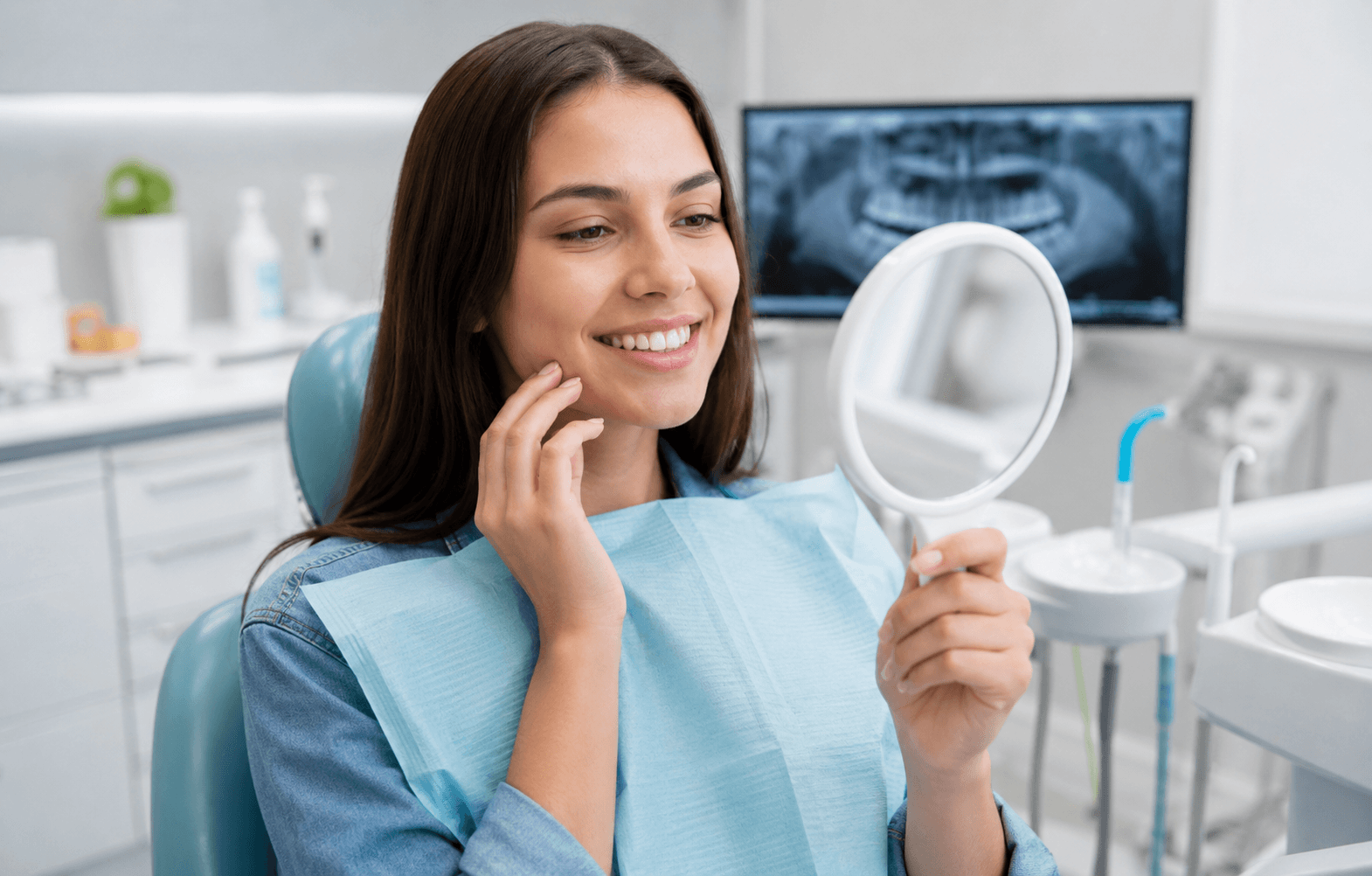
After the first 48 hours, normal eating and drinking resume. What determines how long the shade holds from that point is not restriction but routine. The habits below are unremarkable individually; together they are the difference between a result that lasts several months and one that lasts a couple of years.
Brush Properly, Twice a Day
Two full minutes with a soft-bristled brush and fluoride toothpaste, angled towards the gum line. Technique matters more than pressure — hard scrubbing wears enamel and irritates gums without cleaning better. An electric brush with a timer helps most people brush for longer than they think they are.
Clean Between the Teeth Daily
Floss or interdental brushes reach the surfaces a toothbrush cannot. Those contact points between teeth are where staining first becomes visible as dark lines, and they are also where gum inflammation starts. One pass a day is enough if it is done consistently.
Rinse After Staining Drinks
A mouthful of water swished after coffee, tea or wine removes a surprising proportion of the pigment before it settles. Avoid brushing immediately after anything acidic, though — wait around thirty minutes so softened enamel can reharden first.
Stay Hydrated
Saliva is the mouth's own cleaning system: it clears debris, neutralises acid and carries minerals back to the enamel surface. A dry mouth stains faster. Drinking water through the day is one of the least demanding things you can do for the shade.
Keep Professional Cleanings
A scale and polish removes the hardened deposits and surface film that home brushing cannot, and it restores a noticeable amount of brightness on its own. For many people this alone extends the interval between whitening top-ups considerably.
Address Tobacco Honestly
Tobacco is the single fastest cause of re-staining, and no maintenance routine fully compensates for it. If stopping is not on the table, it is better to plan for shorter intervals between top-ups than to be surprised when the shade fades early.
Diet and Staining: The Longer View
Once the initial window has passed, the aim is not to eliminate staining foods but to manage contact and frequency. Three points are worth understanding. First, sipping is worse than drinking — a coffee nursed over an hour keeps pigment in contact with the enamel far longer than the same coffee finished in ten minutes. Second, acidity and pigment together are worse than pigment alone, which is why red wine and dark fizzy drinks stain more aggressively than their colour alone would suggest: the acid temporarily softens the surface while the pigment is present. Third, some habits help more than they appear to. Drinking water alongside a staining drink, finishing a meal with something neutral such as cheese, and using a straw for cold drinks all reduce total contact time without requiring anyone to give anything up.
| Item | Staining tendency | Practical measure |
|---|---|---|
| Black coffee, black tea | High | Finish promptly rather than sipping; rinse with water afterwards |
| Red wine | High | Alternate with water; avoid brushing for 30 minutes afterwards |
| Dark fizzy drinks | High | Use a straw; treat as an occasional rather than daily drink |
| Curry, soy and tomato sauces | High | Rinse after the meal; keep for after the first 48 hours |
| Berries, beetroot | Moderate to high | Eat as part of a meal rather than alone; rinse afterwards |
| Green and herbal teas | Moderate | Lighter than black tea but still pigmented; rinse afterwards |
| Milk, water, plain yoghurt | Low | Useful alongside more staining items |
| Tobacco | Very high | No maintenance routine offsets this fully |
Stage Six: Top-Ups and Long-Term Care
Teeth Whitening is not permanent, and any service that implies otherwise is overselling. Teeth continue to be exposed to pigment and continue to age, so the shade drifts gradually. The purpose of a maintenance plan is to make that drift slow and predictable rather than sudden and disappointing.
How Top-Ups Usually Work
For anyone who has had custom trays made, maintenance is straightforward: a short course of one to three nights, or a few short daytime wears, is usually enough to return the shade to where it was. This is far less costly and far less demanding than repeating a full course, which is one of the strongest practical arguments for having trays made even if the main treatment was delivered in a clinic. Keep the trays clean, dry and in their case, and have them checked if your teeth change — a new crown or an extraction can alter the fit enough to matter.
Judging the Right Interval
There is no universal schedule, because the right interval depends on how quickly your particular mouth re-stains. A useful method is to photograph your teeth in consistent lighting every couple of months for the first year. Colour change is gradual enough that you will not notice it day to day, but photographs make the trend obvious and let you top up on evidence rather than on a guess. Most people settle into a rhythm somewhere between every six months and every two years. Heavy coffee drinkers and smokers tend towards the shorter end; people with light staining habits often go considerably longer.
Avoiding Over-Treatment
It is possible to overdo whitening, and it is worth naming the signs. Persistent sensitivity that never fully settles between courses, gums that are repeatedly irritated, and a growing conviction that the teeth are never quite white enough are all reasons to pause and take advice rather than to increase the dose. Teeth have a natural limit; past a certain point, further treatment produces diminishing colour change and increasing discomfort. A responsible provider will tell you when you have reached that point, even though saying so costs them a booking. If you find yourself chasing a shade that never satisfies, that is a conversation worth having with a professional you trust.
Whitening Alongside Other Dental Work
Sequence matters when whitening sits alongside other treatment. Whitening is normally completed before new restorations are made for visible teeth, so the new work can be matched to the final shade rather than to the old one. Where orthodontic treatment is planned or underway, whitening is usually left until the appliances are removed and the teeth have settled, so the colour is even across the whole surface. If any of this applies to you, raise it early — the order of operations is much easier to arrange in advance than to correct afterwards.
What a Complete Teeth Whitening Service Includes
Providers describe their services in very different language, which makes comparison difficult. The list below sets out what a complete service normally covers, so you can check any offer against a consistent standard. If something on this list is missing, that is not automatically a problem — but it should be a deliberate, explained choice rather than a gap you discover later.
- A consultation before any treatment, covering oral health, the cause of discolouration, restorations, sensitivity history and realistic expectations.
- A recorded starting shade, photographed in consistent lighting against a standard guide.
- A written plan stating the method, number of sessions, total cost and what is included.
- Protection of the gums and soft tissues throughout every application.
- Active monitoring during treatment, with a clear willingness to adapt or stop.
- A recorded finishing shade taken under the same conditions as the baseline.
- Written aftercare instructions covering the first 48 hours, diet and sensitivity management.
- A follow-up point at which the settled shade is reviewed once the dehydration effect has passed.
- A named route for questions or concerns after you have left.
- Clear guidance on maintenance, including how top-ups work and roughly when they are likely to be needed.
You can read more about the standards that sit behind these steps on the choose us page, and about how they are typically priced on the prices page.
Frequently Asked Questions About Teeth Whitening Services
How long does a treatment session take?
A supervised in-clinic session commonly runs for around an hour once preparation, several gel applications and shade recording are included. Take-home tray courses involve a short fitting appointment and then daily wear over one to three weeks, with the duration set by the gel strength your provider has dispensed.
Does Teeth Whitening damage enamel?
Whitening agents used at appropriate concentrations and under supervision alter the pigment molecules within the tooth rather than removing enamel. The realistic risks are temporary sensitivity and gum irritation, both of which are managed by correct isolation, appropriate gel strength and sensible contact times. The greater risk to enamel comes from abrasive home remedies and from unsupervised repeated use of strong products.
Will my crowns and fillings whiten too?
No. Restorations keep the shade they were made in. If they sit on teeth that show when you smile, they will contrast more once the surrounding natural teeth lighten. This should be identified and discussed at the consultation, and the usual options are replacing or re-polishing the restorations afterwards to match the new shade.
Can I whiten if I have sensitive teeth?
Often yes, with adjustments. Lower gel strength, shorter contact times, longer gaps between applications and desensitising treatment before and after all help considerably. What matters is that the sensitivity is declared at the consultation so the plan is built around it rather than adjusted mid-session.
Is Teeth Whitening suitable during pregnancy or breastfeeding?
Cosmetic whitening is commonly deferred during pregnancy and breastfeeding as a precaution. This is not because harm has been demonstrated but because elective cosmetic procedures are generally postponed where evidence is limited. A registered dental professional can advise on your individual circumstances.
How soon before an event should I have treatment?
Allow at least a week, and preferably two. That gives the shade time to settle after the temporary dehydration effect, leaves room for a top-up if the result is uneven, and means any short-lived sensitivity has passed well before the day. Whitening the day before an important occasion leaves no margin for anything.
What if one tooth stays darker than the rest?
This is common where a single tooth has been affected by trauma or internal discolouration, and it should ideally be predicted at the assessment. General whitening may lighten the whole smile while that tooth continues to read darker. Targeted approaches or restorative options are usually discussed separately, and a dental professional is the right person to explain which apply.
How often can I safely repeat treatment?
Most people find a rhythm somewhere between every six months and every two years, depending on how quickly they re-stain. Rather than following a fixed schedule, top up when photographs show real drift. Persistent sensitivity or repeated gum irritation are signals to lengthen the interval and take advice.
A Closing Word on Expectations
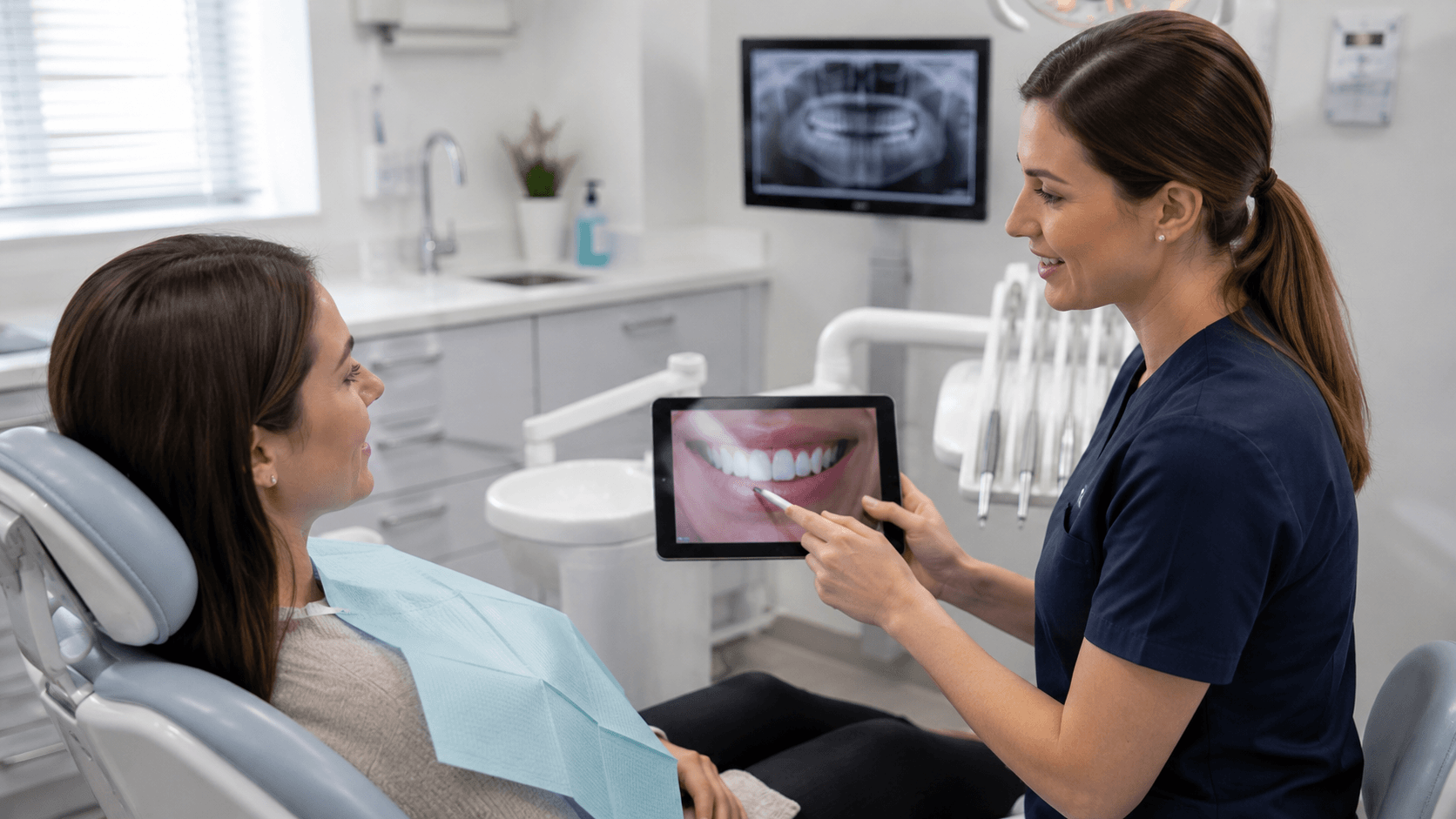
The most reliable predictor of satisfaction with Teeth Whitening is not the strength of the gel or the technology in the room. It is whether the person in the chair understood, before they sat down, what was going to happen and what it would realistically achieve. Everything on this page exists to support that understanding: the assessment that finds what others miss, the plan that names the trade-offs, the session that adapts to how you are actually finding it, the 48 hours that protect what you have paid for, and the routine that carries the result forward.
Teeth Whitening works within the limits of your own teeth. It lightens natural tooth structure; it does not change restorations, it does not reshape teeth, and it does not correct alignment. Within those limits it is one of the least invasive cosmetic options available, and for most people it produces a refreshed, natural-looking improvement that fits the rest of their face rather than announcing itself. That is the outcome worth aiming for, and it is best reached with a registered dental professional who has examined your mouth, explained the options plainly and told you honestly which parts of your smile will respond least well. If you are looking for a convenient treatment provider, you can also view Teeth Whitening clinic locations to explore available locations.
If you would like to understand what these stages typically cost and why, the prices page breaks the figures down. For a realistic picture of the change to expect, see the results page. And if you have a question that this page has not answered, the contact page explains how to raise it and what to have ready before you do.